September 15
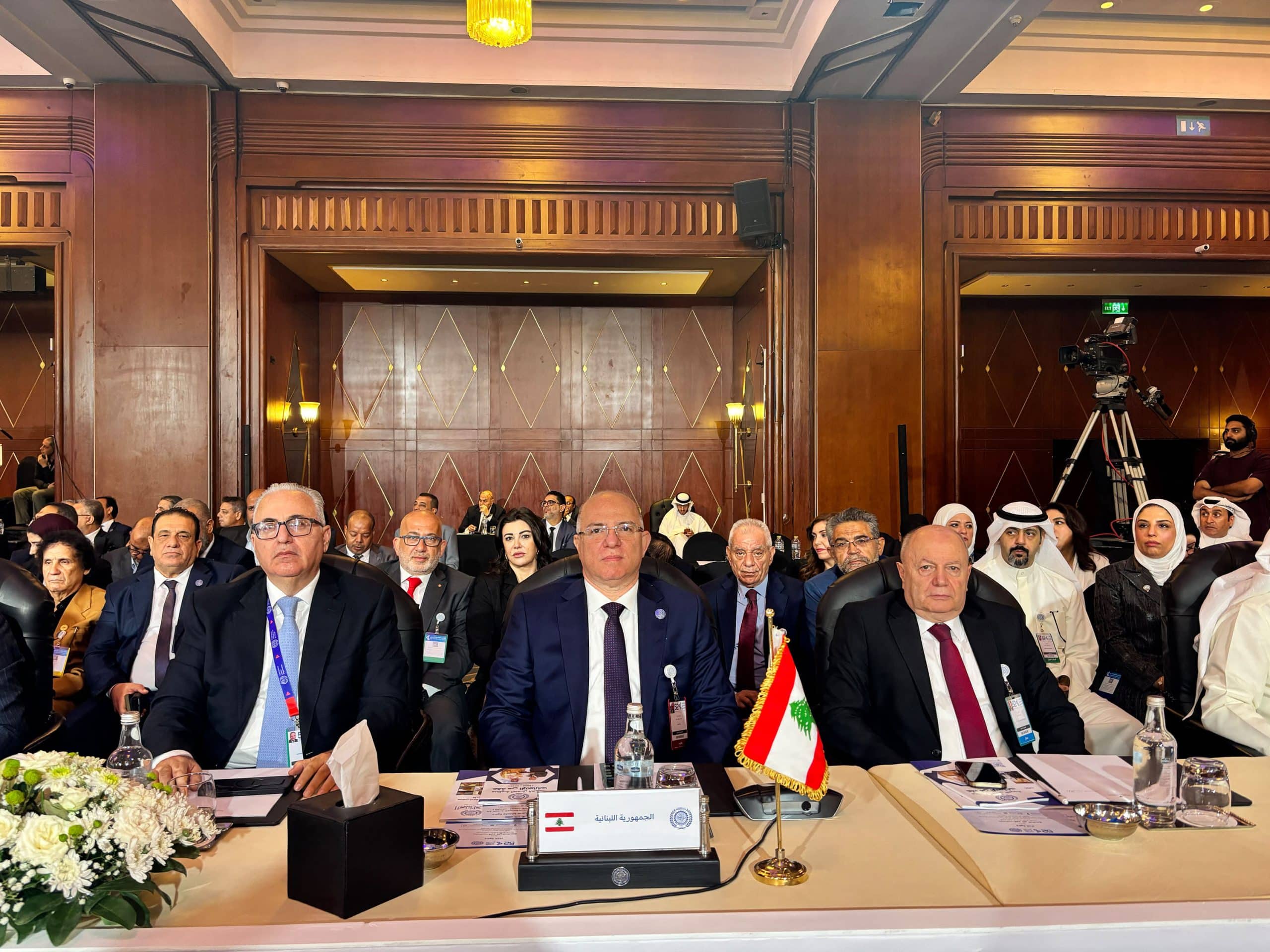
Lebanon participated in the 52nd session of the Arab Labour Conference, held in Cairo under the patronage of Egyptian President Abdel Fattah El-Sisi. Organized by the Arab Labour Organization, the conference brought together representatives of the tripartite social partners—governments, employers, and workers—from 21 Arab countries, alongside delegates from regional and international organizations.
Lebanon was represented by a tripartite delegation headed by Minister of Labour Dr. Mohammad Haidar. Representing employers was the Association of Lebanese Industrialists (ALI), composed of Mounir Bsat (Secretary General of Foreign Relations), Patricia El-Hachem (ALI Member), and Talal Hijazi (ALI General Mange). The delegation also included representatives of the General Labor Union in Lebanon, led by its president, Bechara Al-Asmar.
ALI’s participation comes amid a broad agenda addressing economic growth, social development, climate change impacts on the work environment, opportunities for startups in the digital transition, aligning education and skills training with labor market needs, and the Arab region employment and unemployment report.
These focal points hold particular weight given the urgent need to move from diagnosing challenges to implementing practical policies that boost productivity, competitiveness, social protection, and business continuity—ultimately fostering more sustainable job opportunities.
The Lebanese employers’ delegation actively contributed to the conference’s technical and organizational committees. Bsat delivered an address highlighting Lebanon’s pressing economic, social, and labor challenges, including the severe impacts of the financial crisis and war on enterprises, workers, and employment opportunities. He warned of the direct fallout on workers, notably rising youth unemployment, shrinking decent work opportunities, an expanding informal economy, weak social safety nets, brain drain, and the growing vulnerability of households losing primary income sources.
Bsat delivered four key messages urging fraternal Arab nations, regional and international financial institutions, donor agencies, and domestic social partners to support Lebanon’s reform and reconstruction initiatives—identifying this as the essential gateway to overcoming the current crisis and restoring long-term growth and stability.