March 11
By Joseph Farah
Amid the difficult circumstances Lebanon is currently facing, questions are being raised about the resilience of the Lebanese industrial sector and its ability to meet local market demand.
Are local factories still capable of supplying essential goods, and how long can they continue operating despite economic and logistical challenges?
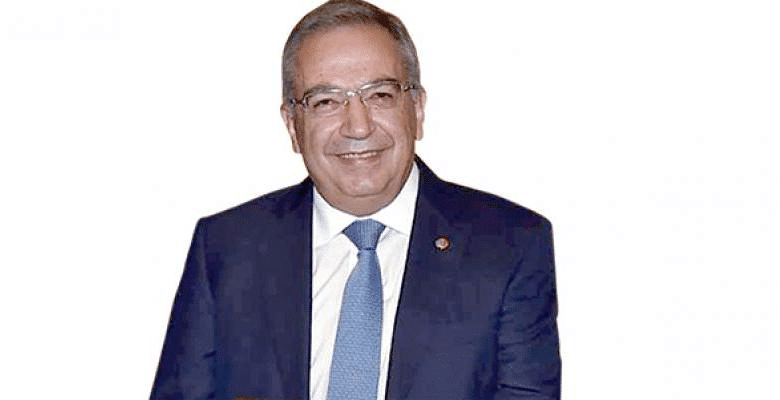
In this context, Cedars Report conducted an interview with Salim Zeenni, President of the Association of Lebanese Industrialists, to discuss the current state of the sector, available stockpiles, export challenges, and the rising cost of production.
Industry Has Survived the Harshest Crises
Zeenni says the current situation cannot be assessed without recalling the recent crises Lebanon has faced.
“When the financial collapse occurred alongside the COVID-19 pandemic, two of the most severe crises any country could face, Lebanese industry remained resilient. It was the only sector that managed to secure the market’s needs, including medicines, food products, and consumer goods.”
He added that industrialists continued operating despite extremely difficult conditions.
“We did not remain in business because we were making profits, but because we are committed to our country and to Lebanese consumers. During the economic crisis, every lira we managed to save was reinvested in industry, which made imported goods almost twice as expensive as locally produced ones.”
The Secret Behind Industry’s Resilience
Explaining how the sector managed to endure, Zeenni noted that industrialists relied heavily on their own resources.
“We had stockpiles that we financed from our own capital, and we paid the price from our resources to maintain continuity of production.”
He believes the current crisis is less severe than the previous one but warns that increasing taxes could threaten the sector’s sustainability.
“To maintain our resilience, we are asking for reductions in taxes and fees. Industrialists do not print money. We manufacture goods, calculate costs, and add a margin. If taxes continue to rise, people will simply lose their ability to buy.”
Raw Material Stockpiles for Months
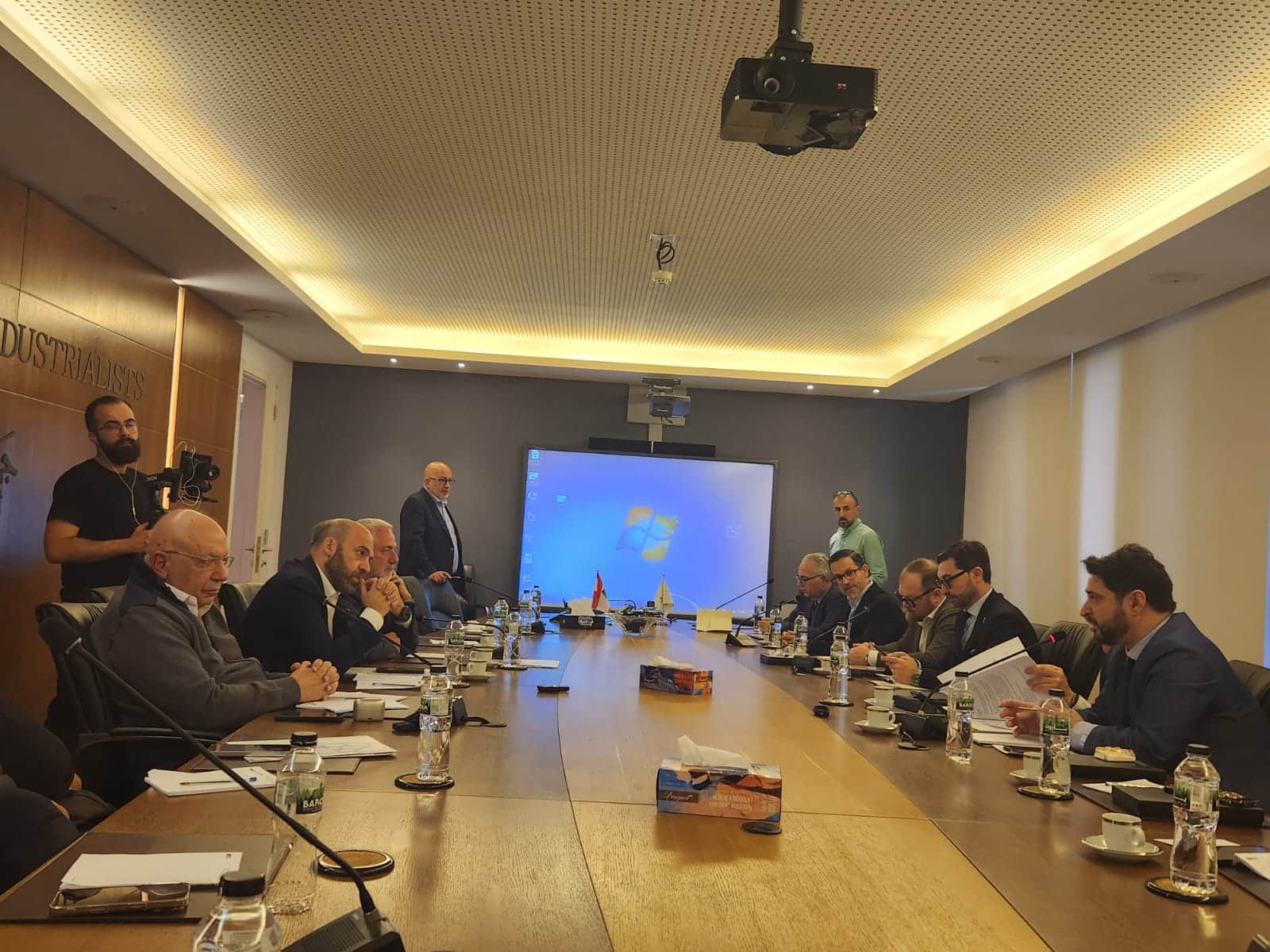
Zeenni revealed that a meeting was recently held with the Minister of Industry to assess the production sector’s ability to cope with the crisis.
According to him:
However, he stressed that the most important factor remains the continuity of open trade routes.
“As long as land, sea, and air routes remain open, we will be able to secure raw materials and continue production.”
Alternatives if Beirut Port Closes
When asked about the possibility of the closure of Beirut Port, Zeenni said that alternatives exist.
“There is the Port of Tripoli.”
In the event of a broader maritime blockade, he noted that other options could be used.
“We can rely on ports in neighboring countries. This happened in 2006, and nothing was missing from the market.”
He added that industrialists have continued operating even during wartime.
“We never stopped working, even during the war. Lebanese industrialists have adapted and resisted through every crisis.”
Why Lebanese Products Are Becoming More Expensive
Zeenni attributed rising prices mainly to the high cost of production.
Among the main factors are:
“When local products bear all these costs while imported goods enter without them, the citizen ultimately pays the price.”
No Shortage of Lebanese-Made Medicines
Responding to claims that locally manufactured medicines are unavailable in pharmacies, Zeenni rejected these reports.
“This is not correct. The shortage exists in imported medicines, not in locally produced ones. Lebanese pharmaceutical products are generally available in the market.”
Major Export Challenges
However, Zeenni acknowledged that exports are currently facing serious difficulties across all transport channels.
“Air freight is limited because many flight destinations have been reduced. Sea freight is also affected due to disruptions in shipping routes and difficulties passing through the Suez Canal. As for land transport, it currently reaches only Syria and Jordan.”
He also noted that important markets remain closed to Lebanese products, particularly Saudi Arabia, while exports to Egypt still face conditions and negotiations.
Industrial Production Equals Half of Imports
Zeenni highlighted what he described as a significant shift in the domestic market.
“Lebanese industrial production now equals half the volume of imports.”
He added that if imports such as gold, silver, and fuel are excluded, the importance of local production becomes even more evident.
Nevertheless, he criticized what he described as a persistent misconception about Lebanon’s economy.
“Many still believe Lebanon is purely a trading country rather than an industrial one, while major economies around the world are strengthening their industrial sectors.”
“We Always Have a Plan B”
Zeenni stressed that Lebanese industrialists constantly prepare contingency plans.
“We always have a Plan A and Plan B. We will not stop and we will not shut down. Our employees consider these factories their own.”
At the same time, he warned that without support and lower production costs, maintaining competitiveness will become increasingly difficult.
“I Have Said Enough for Now”
Asked about his previous remark that he was “holding back what he wanted to say,” Zeenni concluded briefly:
“I have said enough for now.”


+